The Best Ethical Gifts for Animal Lovers That Are Actually Good for the Planet
Finding a thoughtful gift for an animal lover should not mean buying something destined to gather dust. The best ethical gifts are useful, personal, made to last, and chosen with a little care for the people and planet behind them.
From organic cotton wildlife clothing to second-hand nature books and wildlife experiences, here are some better gift ideas for the animal lover in your life.
What makes a gift ethical?
There is no such thing as a completely impact-free product, but some choices are more considered than others. Before buying, ask whether the gift is likely to be used and loved, whether the materials and production are explained clearly, and whether the quality is good enough to last beyond a season.
Be wary of vague words such as “eco” or “green” without any detail behind them. Look for clear information about the material, manufacturing, certifications, and care instructions. Buying fewer, better-chosen gifts is often a more sustainable approach than filling a parcel with disposable extras.
One certification worth understanding is the Global Organic Textile Standard (GOTS). It assesses organic textiles across their processing stages, rather than focusing only on the raw fibre. If a gift is described as GOTS certified, look for certification details for the specific product or brand instead of treating the phrase as a vague eco label. You can check certified businesses through the GOTS certification directory.
1. An organic cotton wildlife T-shirt

A well-made T-shirt featuring a favourite animal is a simple gift with plenty of personality. It is practical enough for everyday wear, but still feels personal when the design reflects someone's particular love of wildlife.
When choosing a cotton garment, check what the brand says about the fibre, manufacturing, and certifications rather than relying on a single sustainability claim. The Giraffes Organic Cotton T-Shirt makes a cheerful choice for anyone who likes their wardrobe with a little more wildness.
2. A gift for the dinosaur enthusiast

Animal lovers do not all mean furry animals. For the dinosaur fan, a graphic tee can be a far more thoughtful present than another novelty ornament. A wearable design gives the gift a longer life and works for children at heart, palaeontology fans, and anyone who has ever had a favourite dinosaur.
The Stegosaurus Organic Cotton T-Shirt brings a little prehistoric energy to an everyday outfit without shouting “impulse purchase”.

3. A nature-inspired hoodie for cooler days
If you want a gift that feels cosy as well as conscious, choose something that can be worn frequently through the year. A good hoodie earns its place by becoming the one people reach for on dog walks, chilly mornings, travel days, and lazy weekends.
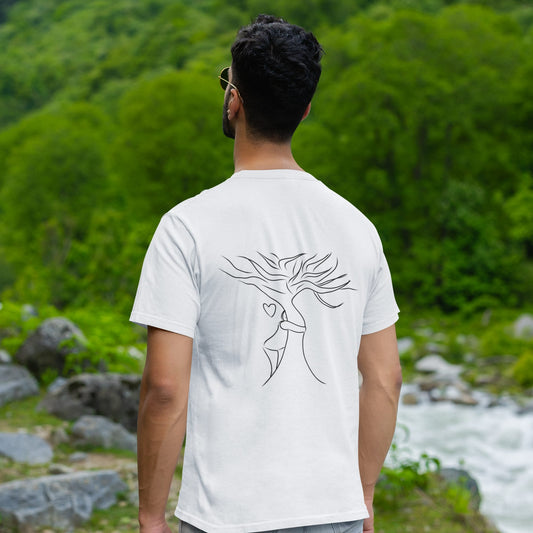
The Tree Hug Sustainable Hoodie is a natural fit for someone who loves animals, forests, and clothing with an outdoorsy point of view.
4. A versatile vegan jumper

For a gift that is less tied to one particular animal, a versatile jumper can be a smart choice. It is useful, easy to layer, and more likely to become part of someone's regular wardrobe than a highly seasonal item.
The Vegan Sustainable Jumper is an easy option for someone who prefers a simple everyday layer with a thoughtful material and production story behind it.
5. A wildlife experience or donation
The most sustainable gift may be one that creates a memory rather than another object. Consider a wildlife-centre visit, a guided nature walk, a birdwatching experience, or a donation to a reputable conservation organisation chosen around the recipient's favourite species.
For an animal lover who already has a full wardrobe, these gifts can be especially meaningful. You could pair the experience with a handwritten note explaining why you chose it, rather than adding unnecessary packaging or filler.
6. A second-hand nature book
A beautifully illustrated wildlife book, field guide, or nature memoir can make a thoughtful present when bought second-hand. Look for a title connected to the recipient's interests, whether that is garden birds, marine life, wild cats, insects, or local landscapes.
Second-hand does not mean less special. A personal inscription inside the cover, a pressed-leaf bookmark, or a note recommending your favourite chapter can make it feel much more considered than something picked up at the last minute.
How to avoid greenwashing when buying gifts
- Choose brands that explain their materials and manufacturing instead of using only broad environmental language.
- Look for recognised standards and certification details where relevant, and check what the certification actually covers.
- Choose useful products that can be worn, used, repaired, or passed on.
- Be cautious of “bamboo” clothing claims. Bamboo fabric is usually rayon or viscose made through chemical processing, rather than fabric made directly from the plant. The US Federal Trade Commission explains this distinction in its guide to bamboo fabrics.
- Keep packaging and extra accessories to a minimum unless they genuinely add value.
A better gift is one they will really use
Ethical gift-giving is not about finding a perfect product. It is about slowing down long enough to choose something useful, personal, and made with more care. For an animal lover, that might be an organic cotton wildlife tee, a cosy hoodie, a memorable day outdoors, or a second-hand book that gets opened again and again.
Choose the gift that matches the person, not just the trend. That is usually the choice with the longest life.
Sources and further reading
- Global Organic Textile Standard, certification directory.
- US Federal Trade Commission, Bamboo Fabrics.